
Is It Dyslexia or Learning in Another Language? What Parents in Mallorca Need to Know
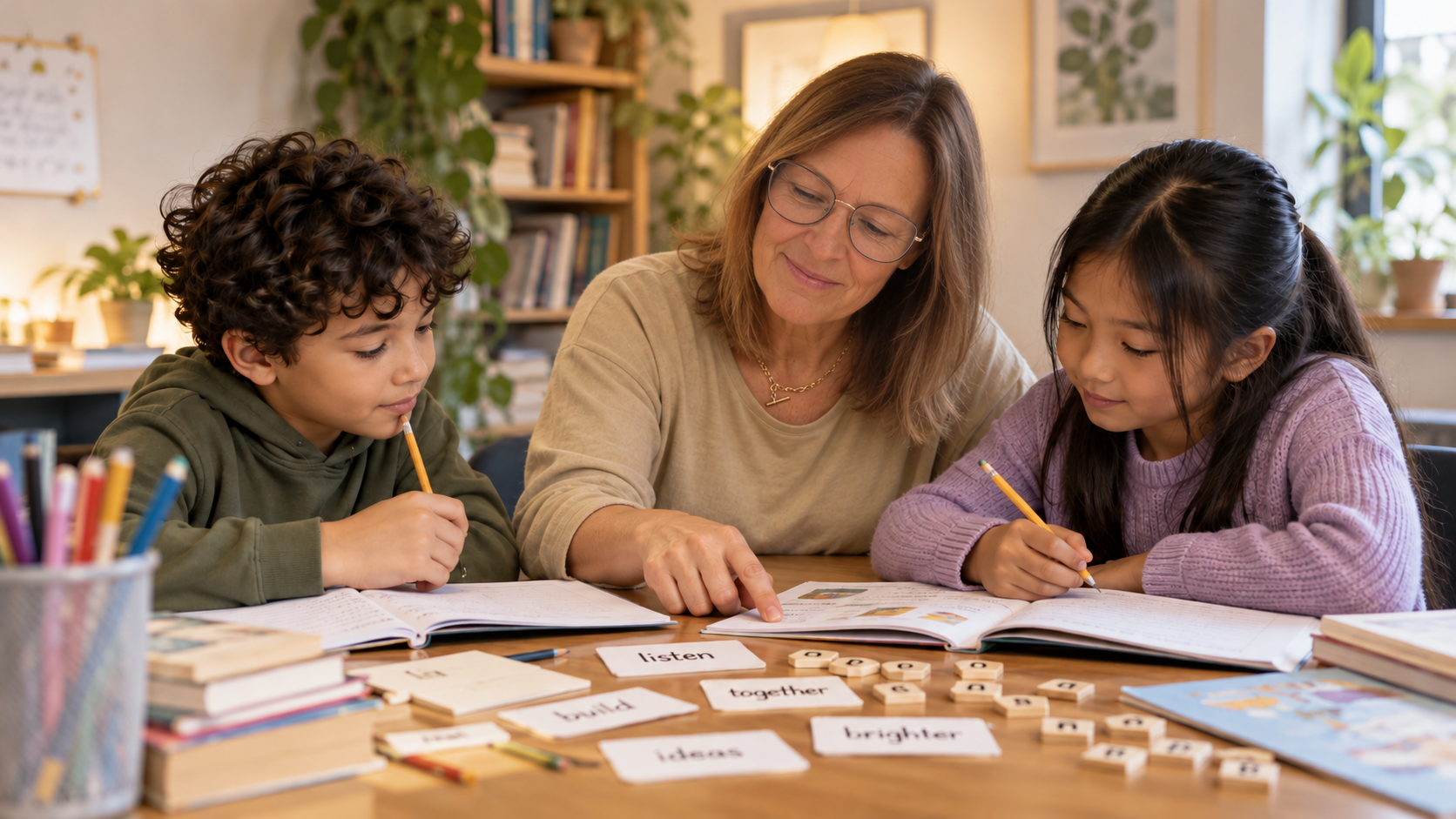
Living in Mallorca, many children grow up surrounded by several languages. They might speak Spanish, German, French, Swedish or English at home, learn Spanish and Catalan at school, and move between different languages throughout the day.
For many children, this is a wonderful opportunity. But when reading and spelling become difficult, it can leave parents wondering:
Is my child struggling because they're learning in another language, or could there be an underlying difficulty such as dyslexia?
It's an important question, and the answer isn't always straightforward.
Being multilingual does not cause dyslexia
Let's be clear about one thing: learning more than one language does not cause dyslexia.
However, learning to read and write in an additional language can present challenges, particularly when a child is still developing their vocabulary and understanding of that language.
English, for example, has a particularly complex spelling system. The same letters can represent different sounds, and many words do not follow predictable spelling patterns. Spanish, by comparison, generally has more consistent relationships between letters and sounds.
This means a child may appear to read relatively accurately in Spanish but find English much more challenging.
The key is understanding whether the difficulties are primarily related to learning a language, or whether there are underlying difficulties with the development of literacy skills.
What should parents look out for?
One of the most useful things to consider is how a child is progressing over time.
Are reading and spelling becoming easier with appropriate teaching and practice, or do difficulties persist?
You may notice that your child reads slowly or hesitantly, struggles to recognise familiar words automatically, finds spelling unusually difficult or takes much longer than expected to complete written tasks.
Sometimes there's a noticeable difference between what a child can explain verbally and what they can produce in writing.
However, none of these characteristics alone confirms dyslexia.
It's important to consider the child's age, educational experiences, language exposure and the quality of literacy instruction they have received.
Why assessing multilingual children requires particular care
This is something I feel strongly about as a specialist assessor who has spent many years working in international schools.
You cannot interpret a multilingual child's assessment results without understanding their language background.
A child who has recently started learning in English cannot automatically be compared with someone who has received all their education in English from an early age.
Before an assessment, I want to understand which languages a child speaks, when they started learning each language, where they have attended school and whether similar difficulties have been noticed in other languages.
I also consider their strengths, previous support and how they have responded to teaching.
Standardised assessments provide valuable information, but the results must be interpreted carefully, particularly where English is an additional language.
Sometimes a full diagnostic assessment is appropriate. In other circumstances, further language development, targeted teaching or monitoring progress may be the better starting point.
When is a diagnostic assessment in English appropriate?
Before carrying out a full diagnostic dyslexia assessment in English, it's important to establish whether a child has had sufficient exposure to the language for the assessment results to be meaningful.
A child who has only recently entered an English-speaking school may still be developing the vocabulary, comprehension and literacy skills needed to complete standardised assessments reliably. Assessing too soon could make it difficult to distinguish between dyslexia and difficulties associated with learning an additional language.
I therefore consider how long a child has been educated in English, their level of spoken and written English, their previous educational experiences and whether similar difficulties occur in other languages.
But this doesn't mean a child should have to wait for support.
If a child's English is not yet sufficiently developed for a reliable diagnostic assessment, specialist literacy teaching may be a much more appropriate starting point.
Through structured, individualised teaching, I can help children develop their reading, spelling and language skills, recognise their strengths and build effective learning strategies. Their response to this teaching can also provide valuable information about any persistent difficulties.
My priority is always to recommend the most appropriate support for each child, rather than carrying out a diagnostic assessment before it is likely to provide meaningful answers.What does the latest research tell us?
The 2025 Delphi consensus on dyslexia recognises that dyslexia occurs across languages and that difficulties with reading fluency and spelling are particularly important indicators.
It also recognises that dyslexia is not the same for everyone. Individuals have different strengths and difficulties, and their experiences are influenced by a range of developmental and environmental factors.
This reinforces something that has always been central to my approach: understanding the individual is just as important as understanding the test results.
Helping your child move forward
If your child is struggling, you don't necessarily need to rush into a full diagnostic assessment.
Start by talking to their teachers. Find out which aspects of reading and writing are causing difficulty and what support has already been provided.
A dyslexia screening may help identify possible indicators of dyslexia and guide the next steps. Where difficulties are persistent and a more detailed investigation is appropriate, a full diagnostic assessment can provide greater clarity.
The important thing is not to dismiss ongoing difficulties simply because a child is learning in more than one language.
Every child deserves to have their difficulties understood and their strengths recognised.
Specialist Dyslexia Support in Mallorca
I'm Anita Vince, a specialist dyslexia assessor and teacher with over 30 years of teaching experience in London, New Zealand and Mallorca.
I hold a current Assessment Practising Certificate (APC), demonstrating that my specialist assessment practice meets recognised UK professional standards.
Having worked extensively with international and multilingual learners, I understand the importance of looking beyond test scores to build a meaningful picture of each child's learning needs.
I provide dyslexia screenings, full diagnostic assessments and specialist one-to-one literacy support in English from my office in Es Capdellà, Calvià.
If you're concerned about your child's reading or spelling and aren't sure what the next step should be, please get in touch. We can arrange a brief initial telephone conversation to discuss what may be appropriate.